
Visits available with Full Week Pass
These visits take place on October 6th or 9th. To participate in one of them, you must request it via the registration form (see Registration Page). They are included in the IYNC Full Week and do not require any additional registration fees.
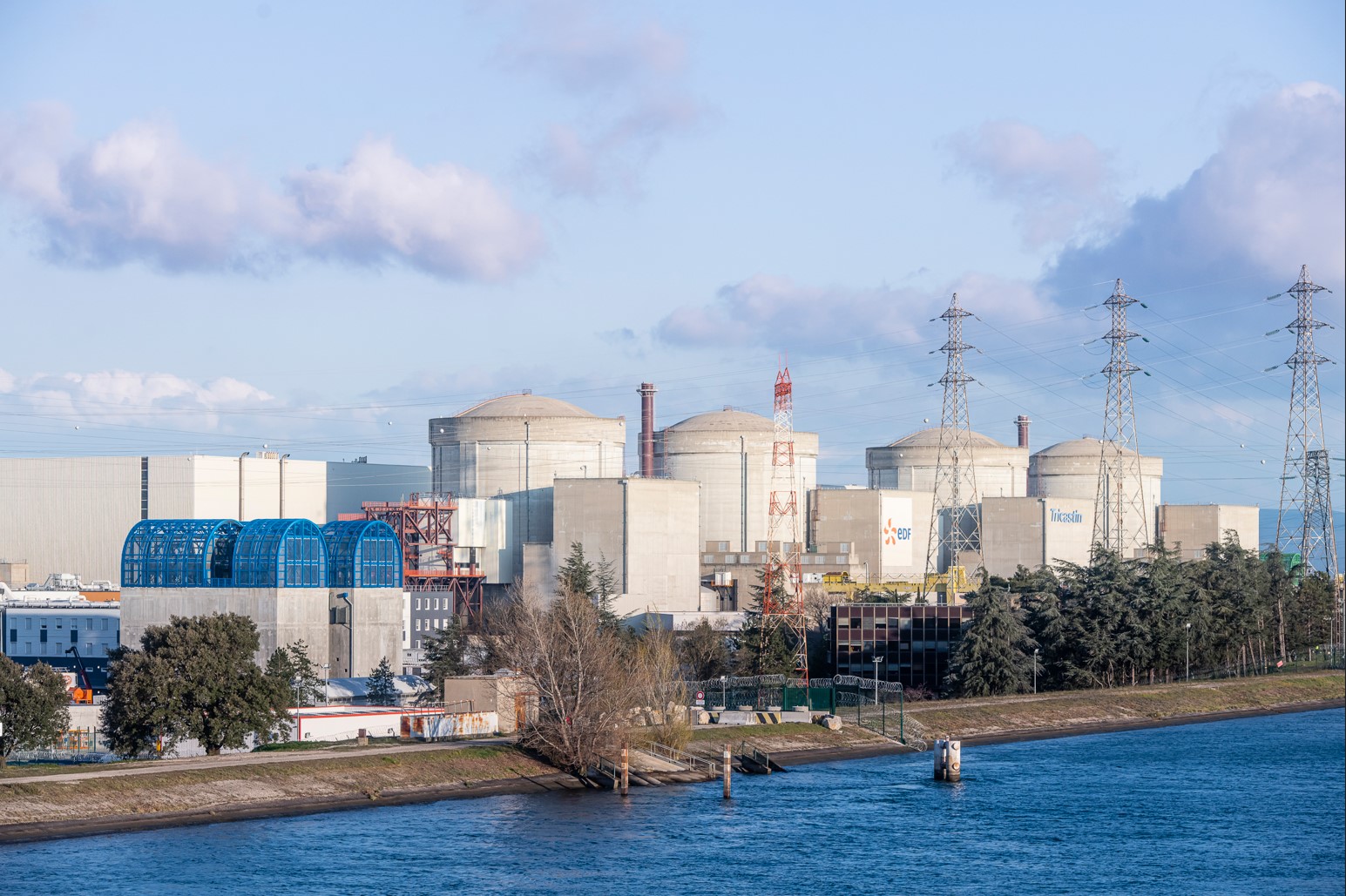
Tricastin Nuclear Power Plant
Visit Tricastin NPP, one of France’s most emblematic nuclear sites. With its four 900 MWe pressurized water reactors , it producing approximately 25 TWh annually, enough to meet the electricity needs of around 3.5 million people. The plant is situated at the heart of what is considered the largest concentration of nuclear industry companies in Europe, sharing its site with Orano’s enrichment and conversion facilities.
This visit offers you an unparalleled perspective on the operational excellence and industrial scale of France’s nuclear fleet.
October 6 and 9 (included in full week)
Sign-ups are closed
Cruas-Meysse Nuclear Power Plant
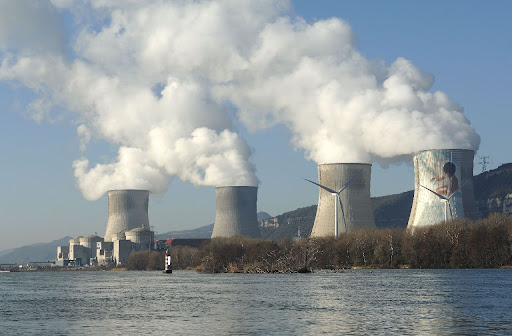
Visit Cruas-Meysse, french NPP situated on the right bank of the Rhône River, and operates four 900 MWe pressurized water reactors, all commissioned between 1983 and 1984.
The plant is currently undergoing its “Grand Carénage”, a major multi-year refurbishment programme aimed at extending reactor lifetimes. It’s making this visit especially timely for understanding the challenges of long-term nuclear asset management.
October 6 and 9 (included in full week)
Sign-ups are closed
ITER Fusion reactor
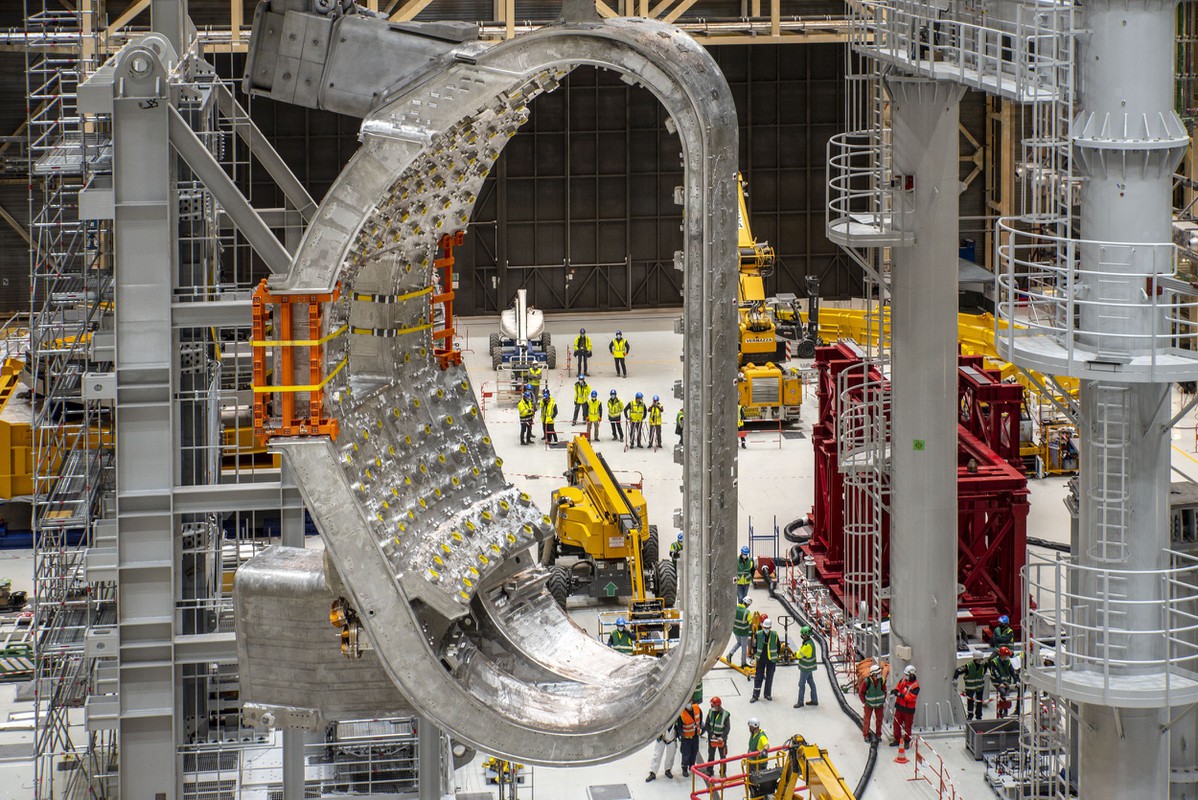
Visit ITER (International Thermonuclear Experimental Reactor), the world’s largest scientific project currently under construction, in southern France. The project unites 33 countries, including all EU member states, China, India, Japan, South Korea, Russia and the United States, in a shared ambition: to demonstrate the scientific and technological feasibility of nuclear fusion as a clean, virtually limitless energy source. The construction site, spanning several hundred hectares, is arguably the most complex engineering endeavour on the planet, involving over one million components manufactured across the partner countries.
This visit represents a glimpse into the possible future of nuclear energy: a technology that, if realised at industrial scale, would transform global energy supply while generating minimal long-lived radioactive waste.
October 9 only (included in full week)
Sign-ups are closed
Institut Laue-Langevin
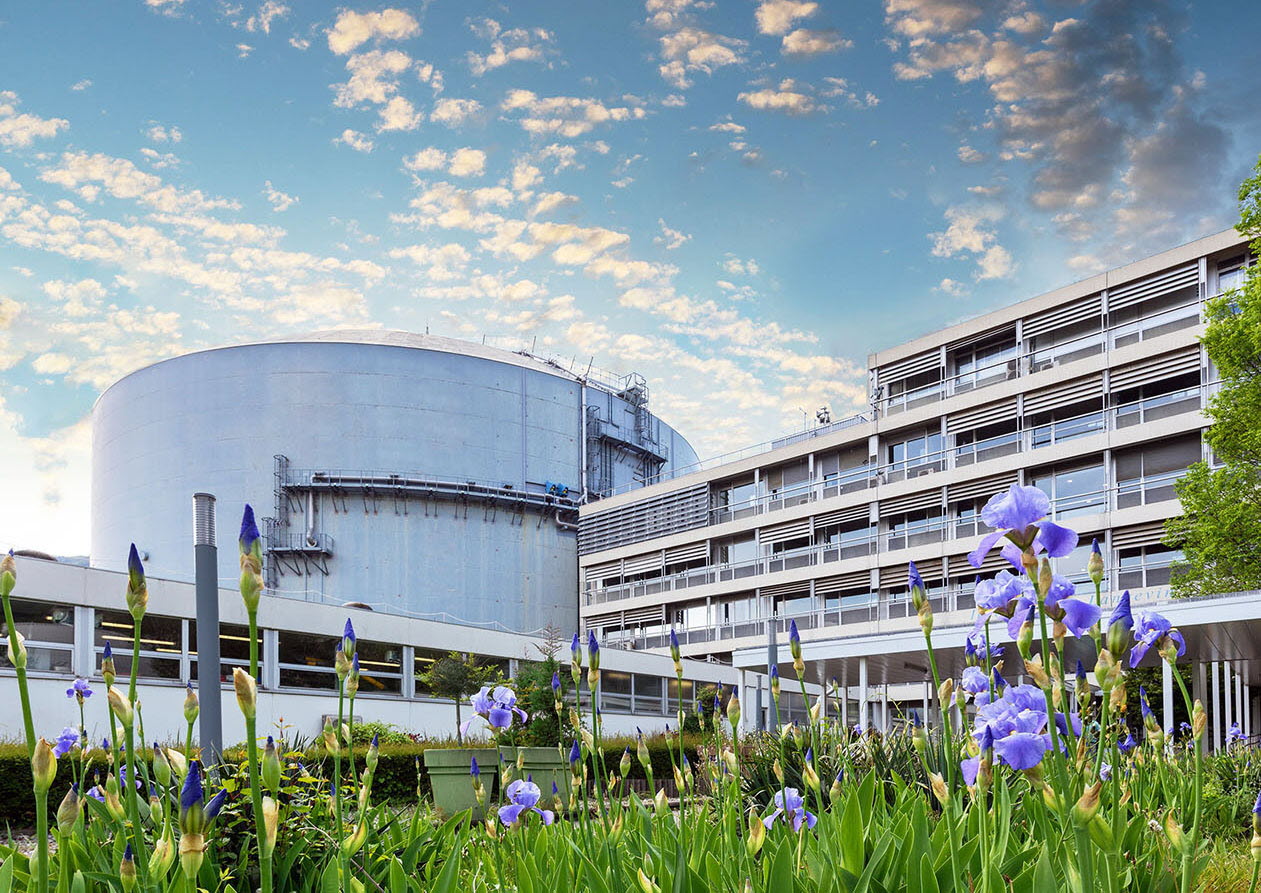
Visit Institut Laue-Langevin (ILL), an international scientific research centre located in Grenoble. Founded in 1967 as a Franco-German initiative, the ILL is today funded by thirteen member countries and operates the world’s most intense continuous neutron source. This exceptional neutron beam serves forty state-of-the-art instruments for cutting-edge research across condensed matter physics, chemistry, biology, materials science and fundamental nuclear physics. Every year, researchers from more than 30 countries perform over 1,000 experiments at the facility.
This visit illustrates how nuclear technology, beyond electricity generation, can create direct societal benefits in health, energy materials and quantum technologies.
October 9 only (included in full week)
Sign-ups are closed
Orano Malvési Converting Plant
Visit Orano Malvési plant, the gateway through which raw uranium ore concentrate from mines around the world enters France’s nuclear fuel cycle. In continuous operation since 1959, the facility is the first link in the upstream conversion chain: it receives yellowcake, and subjects it to a multi-stage chemical purification process before converting it into uranium tetrafluoride (UF4). The Malvési plant produces close to 10,000 tonnes of UF4 per year and employs around 500 people on a 160-hectare site.
Visiting Malvési allows you to understand the very beginning of the nuclear fuel cycle and to appreciate the complex international logistics and rigorous chemistry that underpin France’s energy independence.
October 9 only (included in full week)
Sign-ups are closed
Orano Melox Recycling Campus
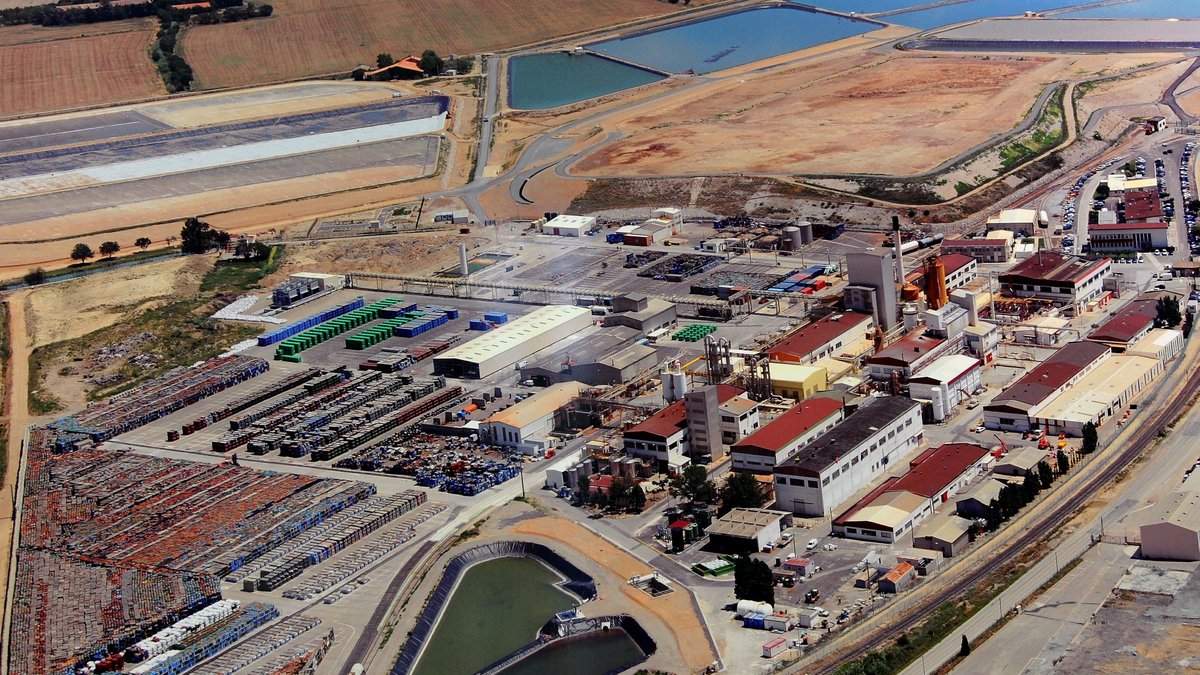
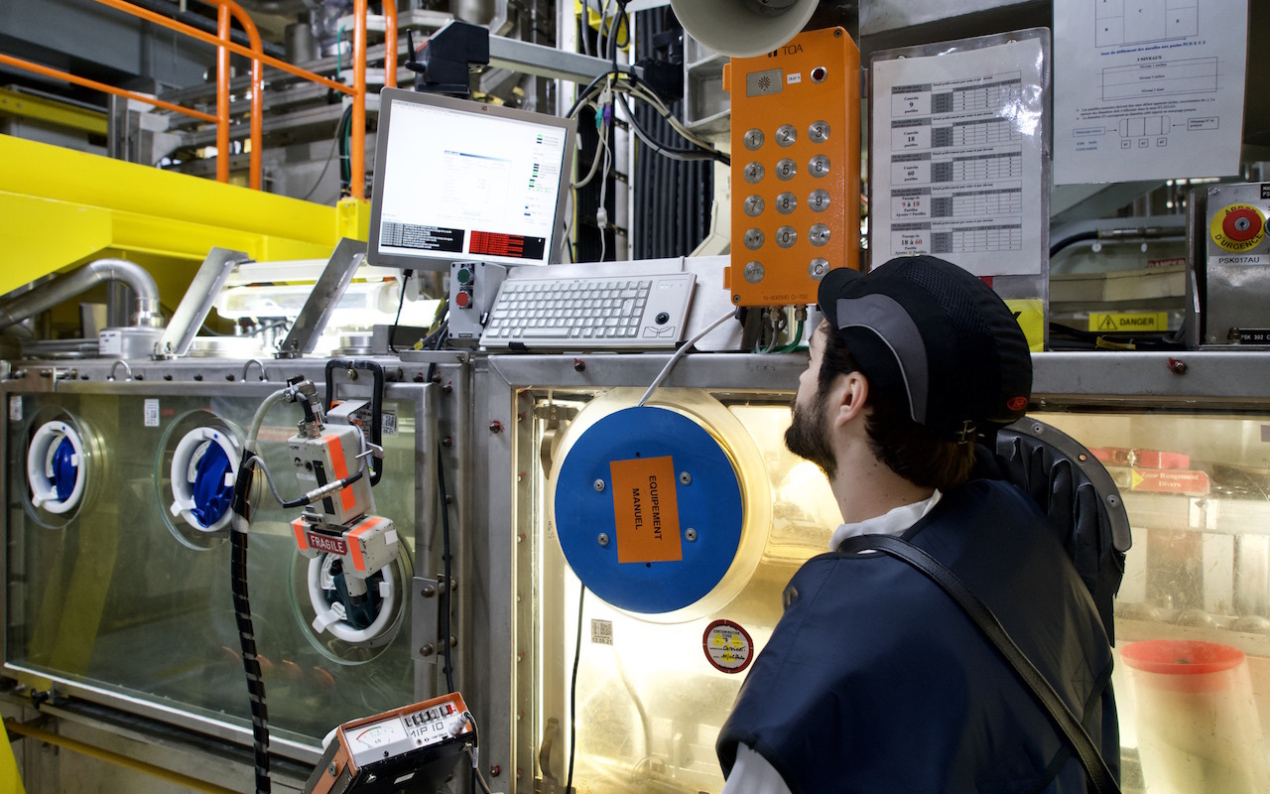
Visit the Campus des Métiers du Recyclage, the flagship nuclear skills training facility for the world’s only industrial-scale MOX fuel fabrication plant. The campus spans over 1,000 m² of dedicated training space and is designed to train up to 250 people per year in the highly specialised trades required to operate and maintain the Melox plant. The campus’s core innovation lies in its use of full-scale physical mock-ups combined with virtual and augmented reality tools, enabling operators to master the handling of radioactive materials before ever setting foot in a live production area.
This visit is particularly relevant in the context of the French nuclear renaissance: with the industry projected to recruit 100,000 people over the next decade, the ability to transmit unique and irreplaceable nuclear skills is itself a strategic challenge.
October 9 only (included in full week)
Sign-ups are closed
George Besse II
Visit Georges Besse II (GB2), Orano’s state-of-the-art uranium enrichment facility located on the Tricastin nuclear platform in southeastern France. Using advanced centrifuge technology, chathe plant produces up to 7.5 million SWU per year and supplies enriched uranium to nuclear utilities around the world, making it a key contributor to low-carbon electricity generation and European energy sovereignty.
This visit offers a unique insight into one of the most strategic facilities of the nuclear fuel cycle, showcasing cutting-edge industrial processes, operational excellence, and the technologies that help provide secure and reliable fuel for nuclear power plants worldwide.
October 6 only (included in full week)
Sign-ups are closed
Superphénix (Creys-Malville) Nuclear Site
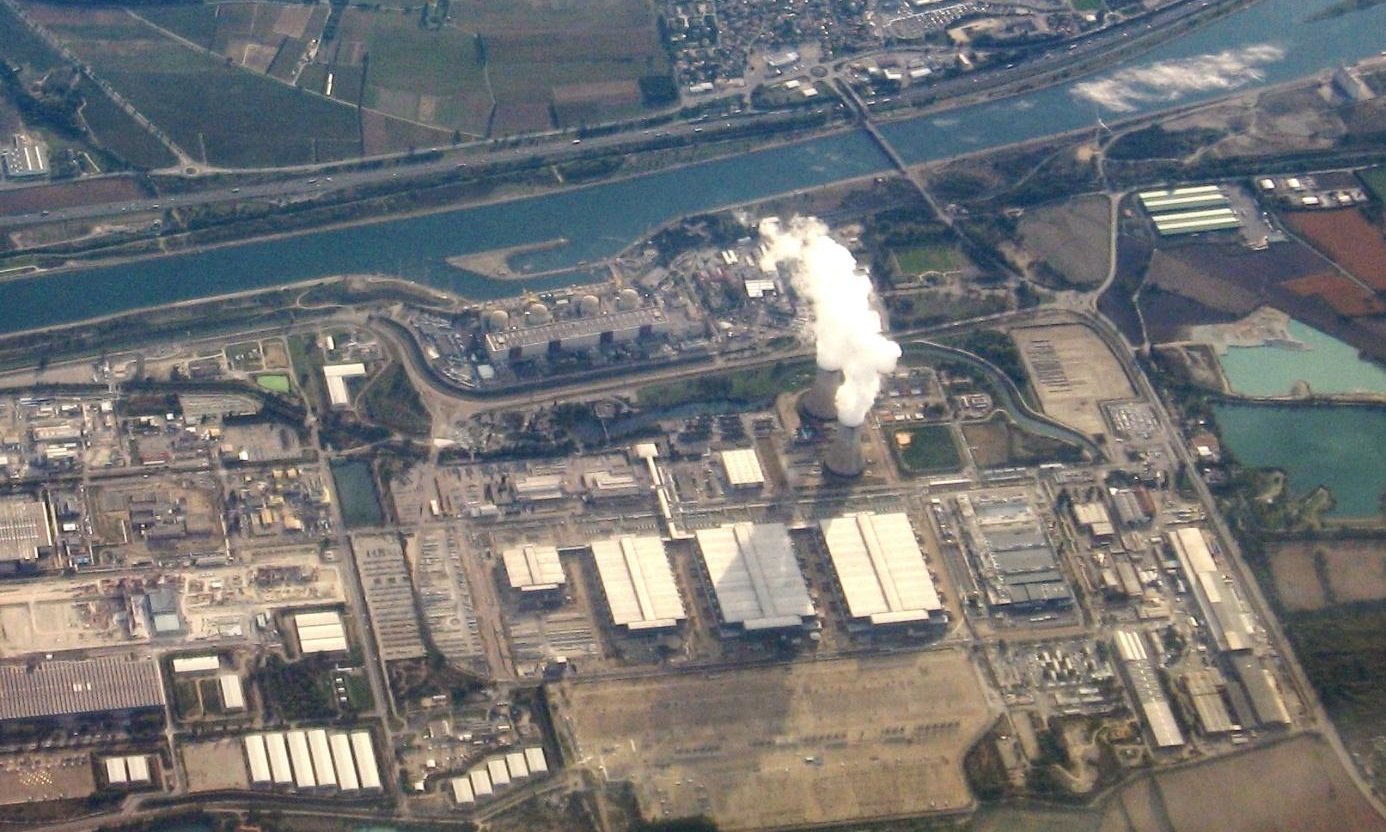
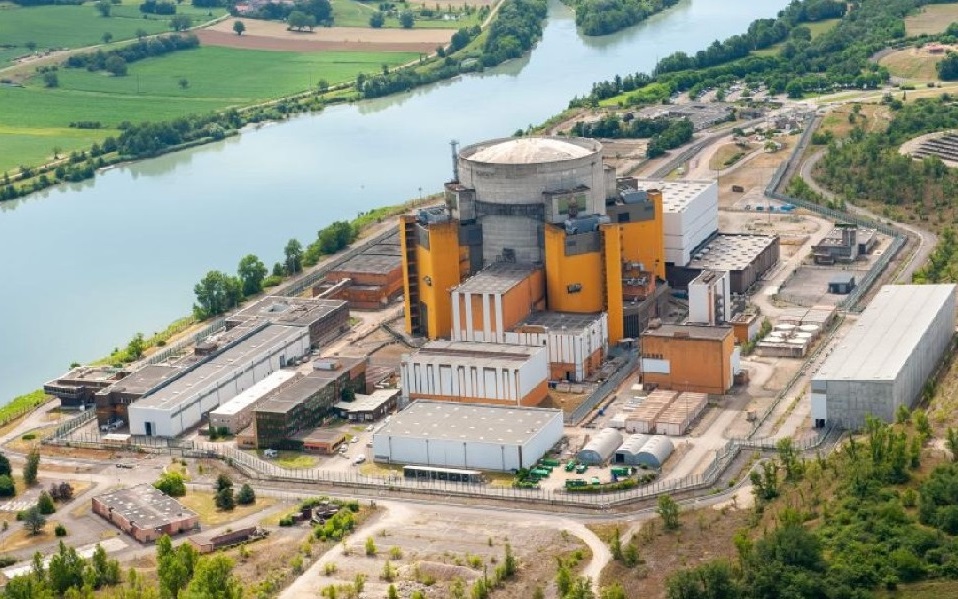
Visit the Superphénix nuclear site at Creys-Malville, one of the most unique facilities in the history of the French nuclear industry. Home to a 1,240 MWe sodium-cooled fast breeder reactor, Superphénix was the world’s largest fast-neutron reactor and a pioneering demonstration of advanced nuclear technologies. Permanently shut down in 1998, the site is now undergoing one of Europe’s most complex and ambitious nuclear decommissioning projects.
This visit offers a rare opportunity to discover the challenges of dismantling an innovative reactor design while gaining insight into the expertise, safety culture, and engineering excellence required to manage large-scale nuclear decommissioning activities.
October 9 only (included in full week)
Sign-ups are closed
Visits availabe in Optional Technical Tour
These optional visits take place on October 2. To participate in one of them, you must request it via the registration form and pay an additional fee (see Registration Page).
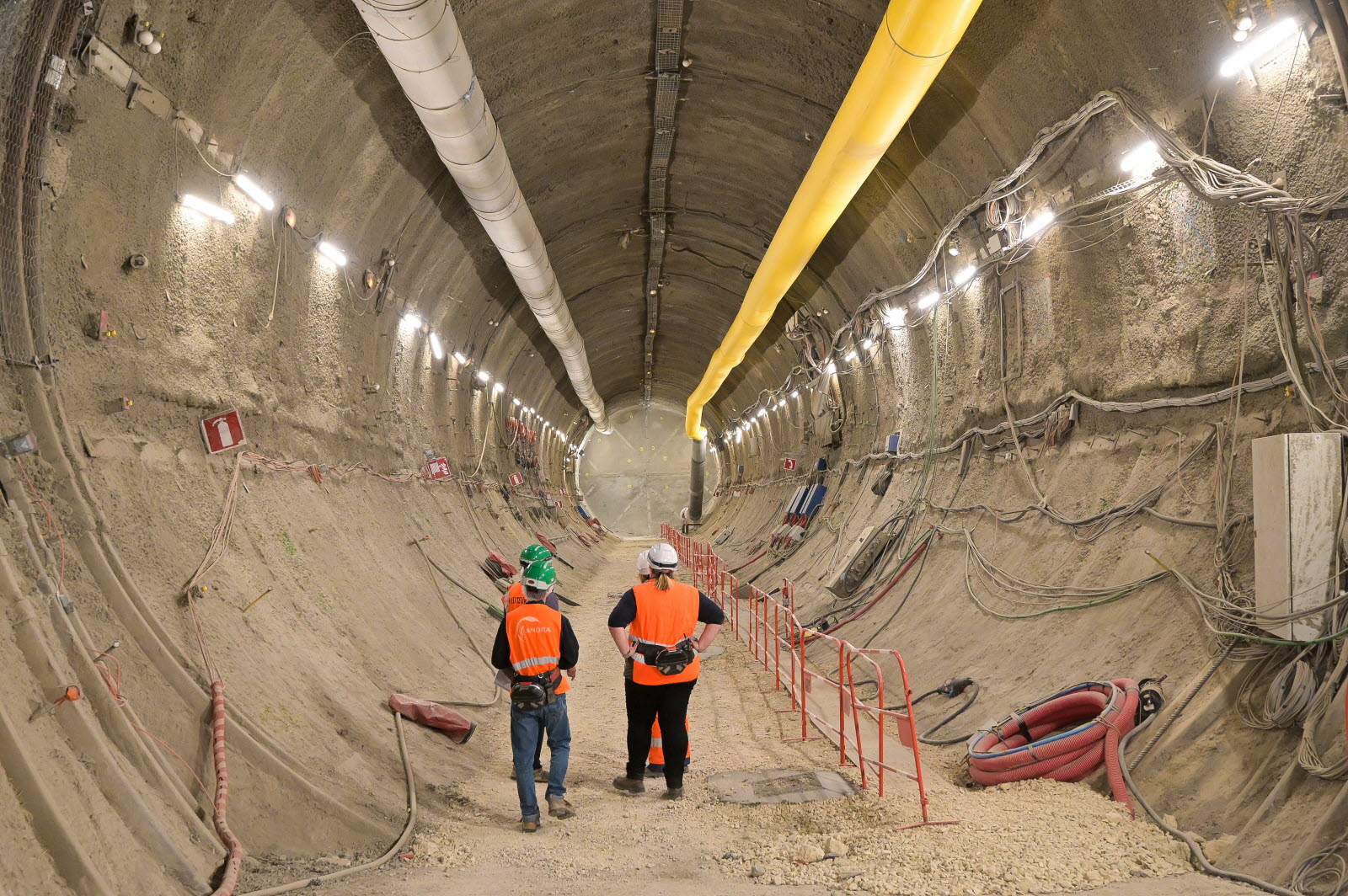
ANDRA-Cigéo Underground Research Laboratory
Visit ANDRA Underground Research Laboratory (URL) in the north-eastern France, one of the most remarkable and little-known facilities in the entire nuclear fuel cycle. Located 490 metres below the surface, the laboratory was established to characterise the geological host rock and demonstrate the long-term feasibility of deep geological disposal for France’s highest-level and longest-lived radioactive waste. Visitors descend by lift to experience the research environment first-hand and gain an understanding of what it means to engineer safety on a timescale of hundreds of thousands of years.
This visit addresses one of the most critical and intellectually challenging questions in nuclear energy: how to responsibly manage the most hazardous waste produced by the current reactor fleet in a way that protects both present and future generations.
October 2 only (Optional technical tours)
Sign-ups are closed
Orano La Hague Nuclear Reprocessing Plant
Visit the Orano La Hague site in Normandy, the world’s leading facility for the reprocessing and recycling of used nuclear fuel. In continuous operation since 1976, the site employs around 6,000 people, its two operating plants have collectively reprocessed over 36,000 tonnes of spent fuel from France, Japan, Germany, Switzerland, Belgium, the Netherlands and beyond, with an annual capacity of approximately 1,700 tonnes.
Visiting La Hague provides conference participants with a concrete understanding of the closed fuel cycle strategy that France has uniquely implemented at industrial scale, and of the extraordinary engineering required to handle the most radioactive materials on Earth safely and remotely.
October 2 only (Optional technical tours)
Sign-ups are closed
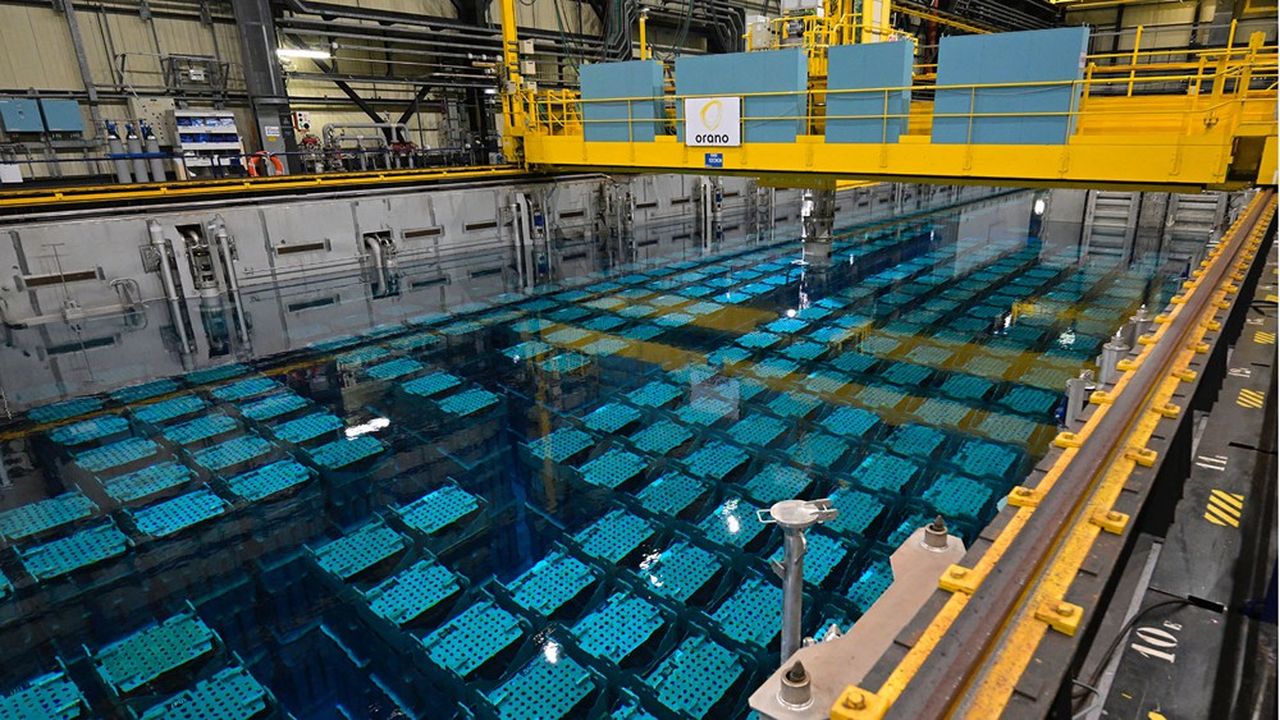
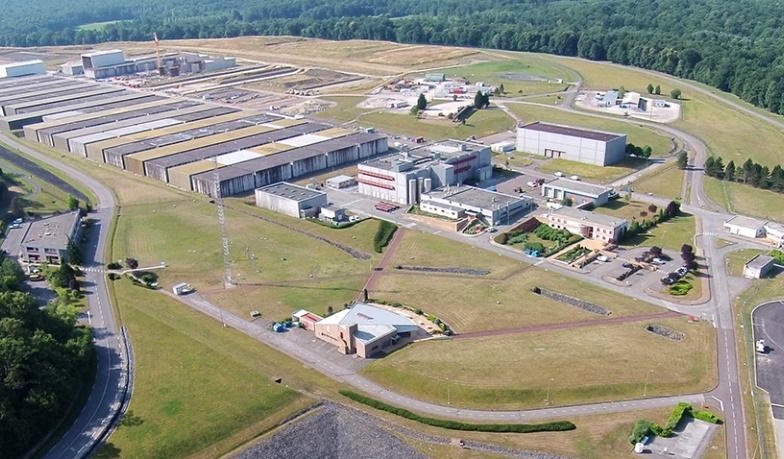
CSA / CIRE (Andra)
Visit the CSA (Centre de Stockage de l’Aube) and CIRE (Industrial Grouping, Storage and Disposal Centre), operated by Andra, the French National Agency for Radioactive Waste Management. Together, these facilities play a strategic role in the management of France’s radioactive waste, receiving and safely disposing of the vast majority of the country’s low- and intermediate-level short-lived waste, as well as very low-level waste from nuclear, medical, research, and industrial activities.
This visit provides a comprehensive overview of the final stages of the nuclear fuel cycle, highlighting France’s world-renowned approach to radioactive waste management, environmental protection, and long-term stewardship of nuclear materials.
October 2 only (Optional technical tours)
Sign-ups are closed